Buffo tenor
The roles
Tenore buffo: the comic roles of Italian opera from Monteverdi to Gassmann — and oratorio, madrigal comedy and the recorder he came from.
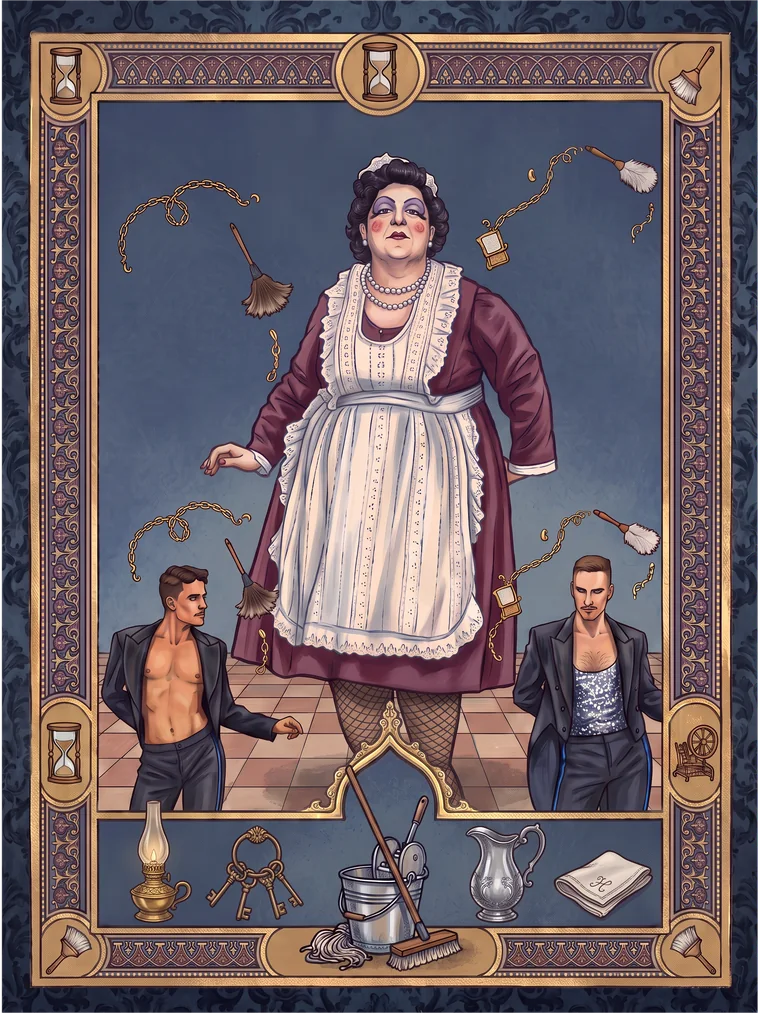
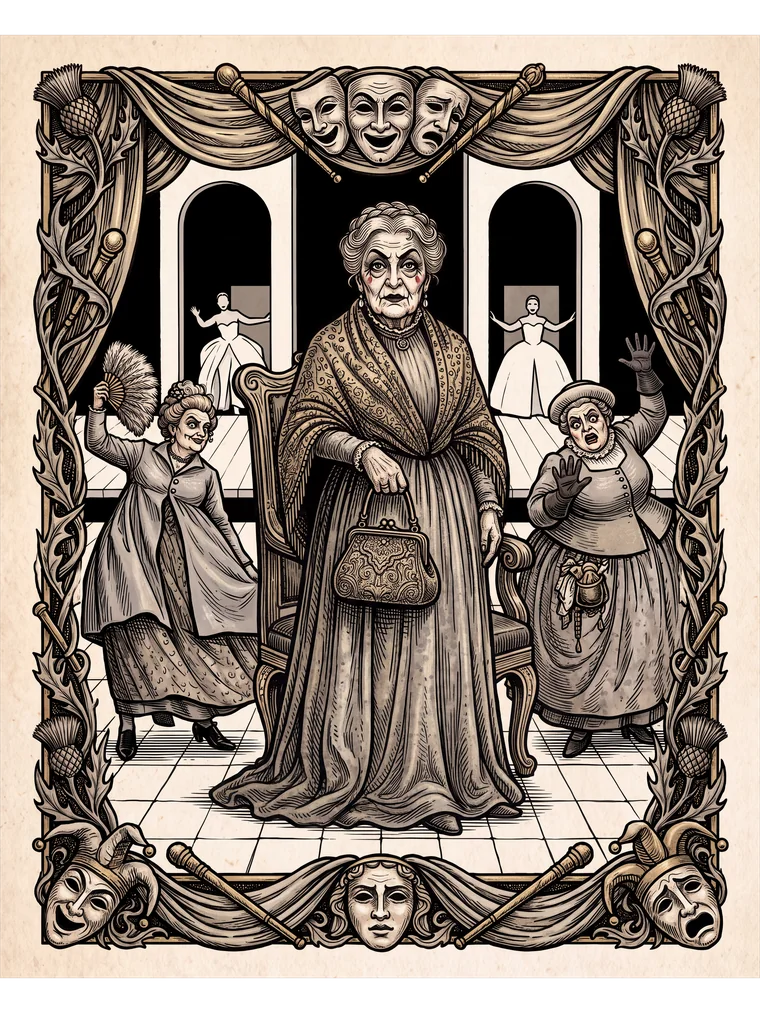
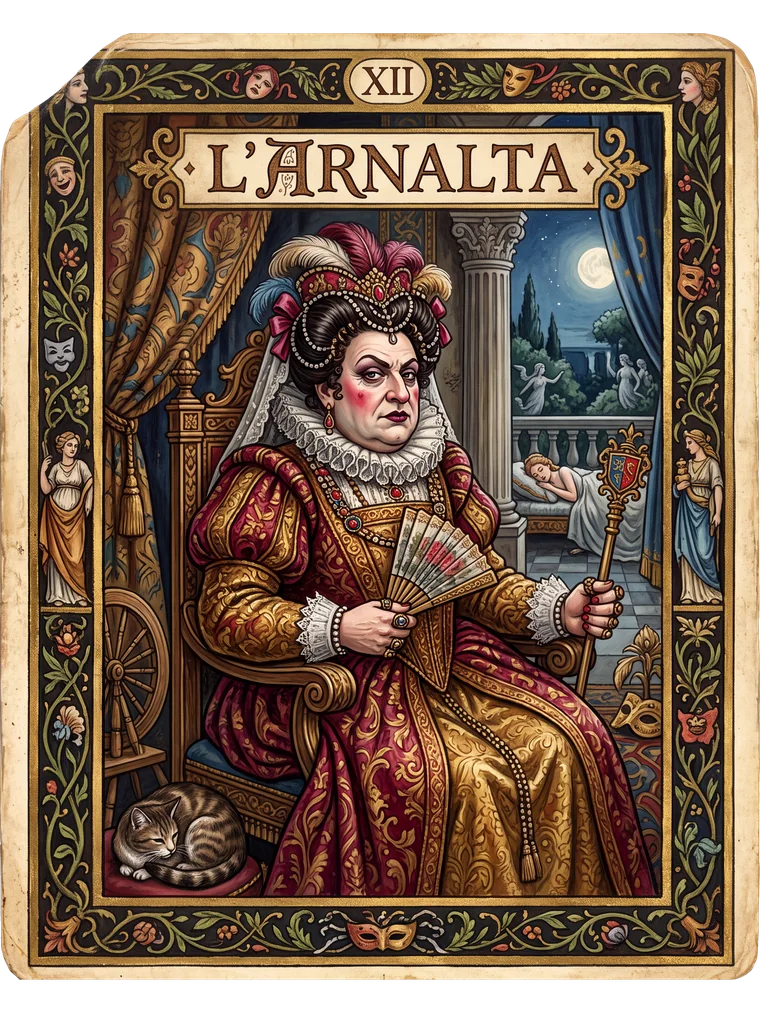
Alberto Allegrezza is the tenore buffo of early music theatre, and the comic roles he is known for include Meneca Vernillo in Li zite 'ngalera and Bragherona in L'opera seria at the Teatro alla Scala, Filaura in Il pomo d'oro and Dirce in La Dori at the Innsbrucker Festwochen der Alten Musik, Delfa in L'empio punito, Arnalta in L'incoronazione di Poppea; and, on record, Erisbe in Cavalli's L'Artemisia.
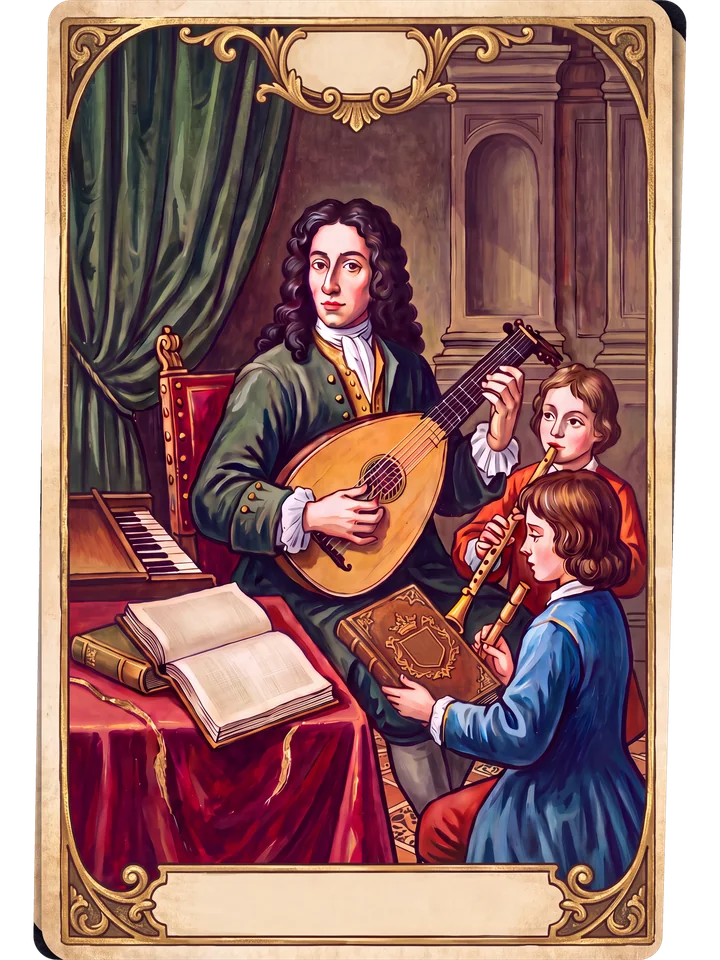
He came to singing from the recorder: a diploma under Paolo Faldi at the «A. Pedrollo» Conservatory in Vicenza, then singing with William Matteuzzi, Gloria Banditelli and Gabriele Lombardi.
As singer and as instrumentalist he has worked with Les Talens Lyriques, Accademia Bizantina, La Cetra, Auser Musici, Cantar lontano, Odhecaton, La Venexiana, L'Homme Armé, Modo Antiquo, Concerto Romano and the Cappella musicale di San Petronio.
Alberto Allegrezza was born in Corinaldo. He began his musical training as an instrumentalist, graduating with honours in recorder from the «A. Pedrollo» Conservatory of Music in Vicenza, under the guidance of Paolo Faldi. He subsequently pursued his studies in singing with William Matteuzzi, Gloria Banditelli and Gabriele Lombardi. His distinctive artistic path has led him to explore in depth the expressive dimensions of sixteenth- and seventeenth-century theatre and the Commedia dell’Arte, through collaborations with Riccardo Perraro, Gianfranco de Bosio and Enrico Bonavera. A highly versatile artist, he combines his work as a singer and instrumentalist with an established career as a director, actor and teacher, earning international recognition.
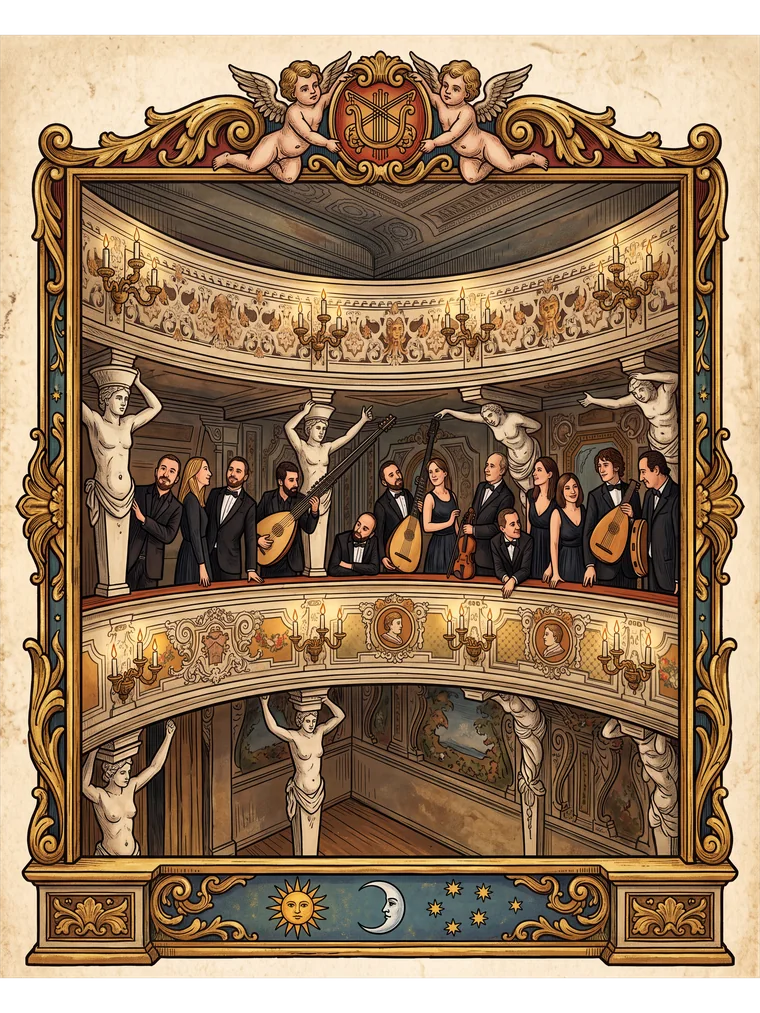
As both a singer and instrumentalist, in solo performances as well as with specialised ensembles, he has collaborated with some of the most authoritative figures in historically informed performance, including Les Talens Lyriques under Christophe Rousset, Accademia Bizantina under Ottavio Dantone, La Cetra under Andrea Marcon, Odhecaton under Paolo Da Col, Modo Antiquo under Federico Maria Sardelli, and the Cappella Musicale di San Petronio in Bologna under Michele Vannelli. This extensive activity has led him to take part in productions at prestigious international institutions and festivals, including Teatro alla Scala in Milan, Maggio Musicale Fiorentino, Innsbrucker Festwochen der Alten Musik and the «C. Monteverdi» Festival in Cremona, as well as numerous other major European venues and festivals.
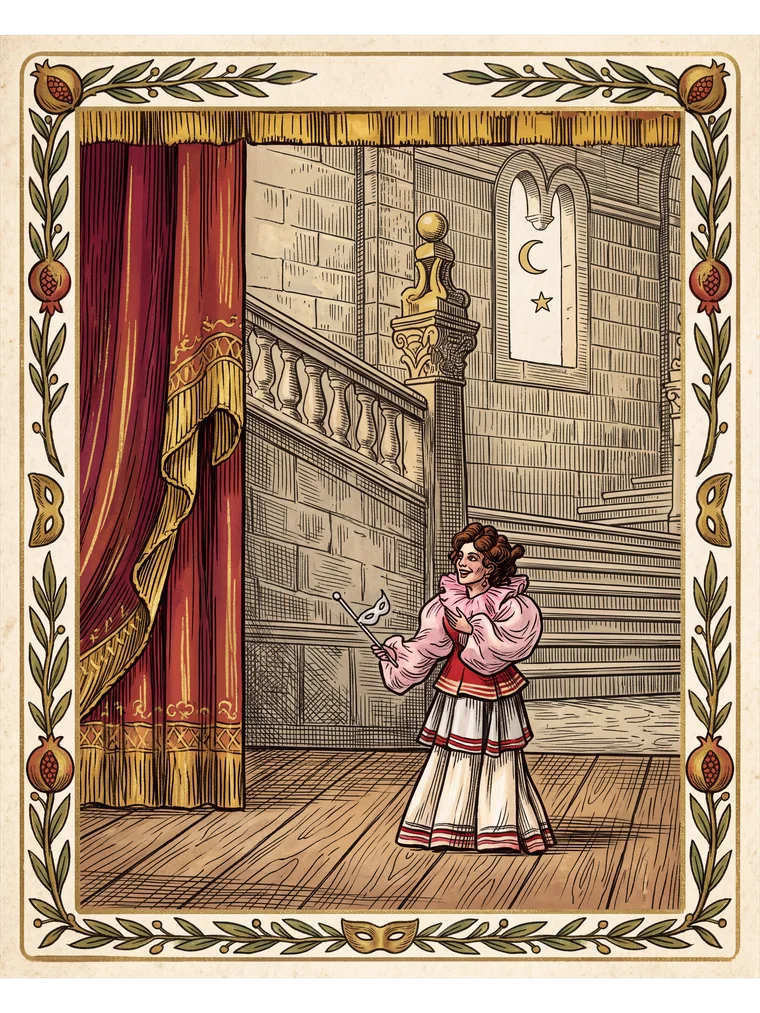
His profound knowledge of the mimetic and gestural language of historical theatre, combined with his meticulous attention to diction, text and its dramatic interpretation, has made Alberto Allegrezza one of the most distinctive and acclaimed character performers in early music theatre. His strong theatrical instinct emerges in a gallery of vividly characterised roles, including Meneca Vernillo at Teatro alla Scala in Vinci’s Li zite ’ngalera, under the direction of Andrea Marcon and directed by Leo Muscato; Bragherona in Gassmann’s L’opera seria, also at Teatro alla Scala, in a co-production with Theater an der Wien directed by Laurent Pelly; Dirce in La Dori, directed by Stefano Vizioli; Delfa in L’empio punito, directed by Jacopo Spirei; Arnalta in L’incoronazione di Poppea and, on record, Erisbe in L’Artemisia under the musical direction of Claudio Cavina. At the Innsbrucker Festwochen der Alten Musik, he achieved particular acclaim as Filaura in the monumental production of Pietro Antonio Cesti’s Il pomo d’oro, directed by Fabio Ceresa, further establishing himself as a refined interpreter of comic roles requiring outstanding acting skills and a deep understanding of historical theatrical practice.
His artistic research is rooted in the figure of the Commedia dell’Arte actor: a versatile performer capable of integrating music, speech, gesture and movement into a single theatrical experience. From this perspective, he founded Dramatodía, a company of musicians, actors and dancers through which he develops a vision of early music deeply connected to its original theatrical dimension, highlighting the psychological, emotional and dramatic depth of the works. For the company’s productions, Allegrezza personally oversees the conception and creation of sets and costumes.
He has devoted particular attention to the study of codified gesture in late Renaissance and early Baroque theatre, an area in which he has developed an extensive and highly regarded teaching career as a specialist in historical theatrical gesture. He is regularly invited to give courses and seminars at prestigious international institutions, including the Royal Conservatoire The Hague and the conservatories of Venice, Parma, Ferrara, Cuneo and Cesena, among others.
As an opera director, he has directed and staged Carlo Pallavicino’s L’amazzone corsara for the Innsbrucker Festwochen der Alten Musik. This production was followed by a significant cycle of seventeenth-century theatrical works created in close collaboration with the Cappella Musicale di San Petronio in Bologna under the direction of Michele Vannelli. These productions are distinguished by a strong commitment to both visual and philological research and include Monteverdi’s L’incoronazione di Poppea, Il ritorno d’Ulisse in patria, Giovanni Bononcini’s Il Trionfo di Camilla and Domenico Mazzocchi’s La catena d’Adone.
His extensive discography includes numerous recordings for some of the leading international and specialist labels, including Sony, Glossa, Naxos, Dynamic, CPO, Tactus and Arts.